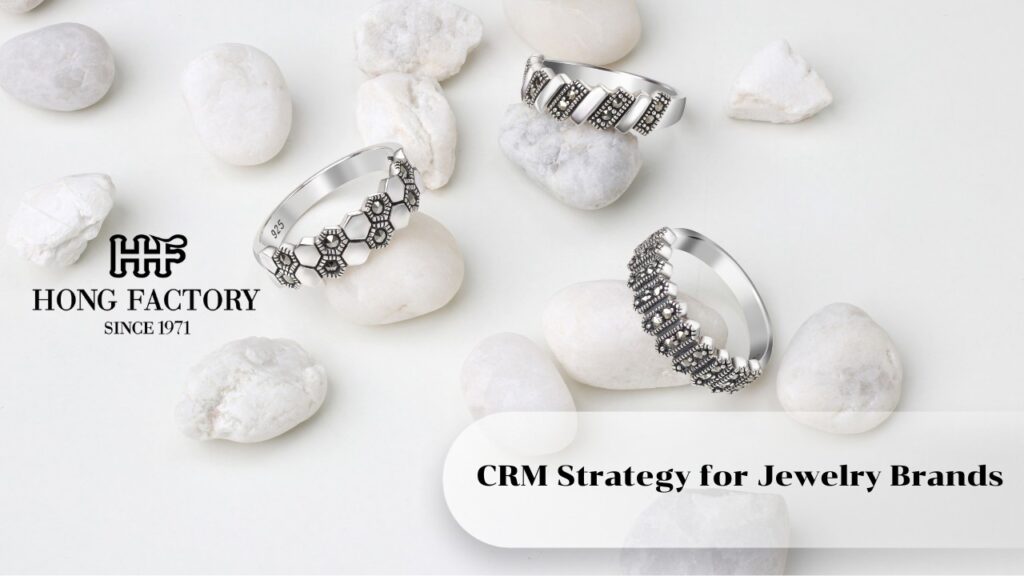
Customer Relationship Management (CRM) plays a critical role in helping jewelry brands build long-term relationships, improve customer experience, and increase lifetime value. In the marcasite jewelry niche—where trust, personalization, and repeat engagement are essential—a well-designed CRM strategy for jewelry brands enables businesses to manage customer data thoughtfully and turn interactions into lasting loyalty. marcasite
This article explains how marcasite jewelry brands can design, implement, and optimize a CRM strategy that supports e-commerce, wholesale, and brand growth.
Why CRM Matters for Jewelry Brands
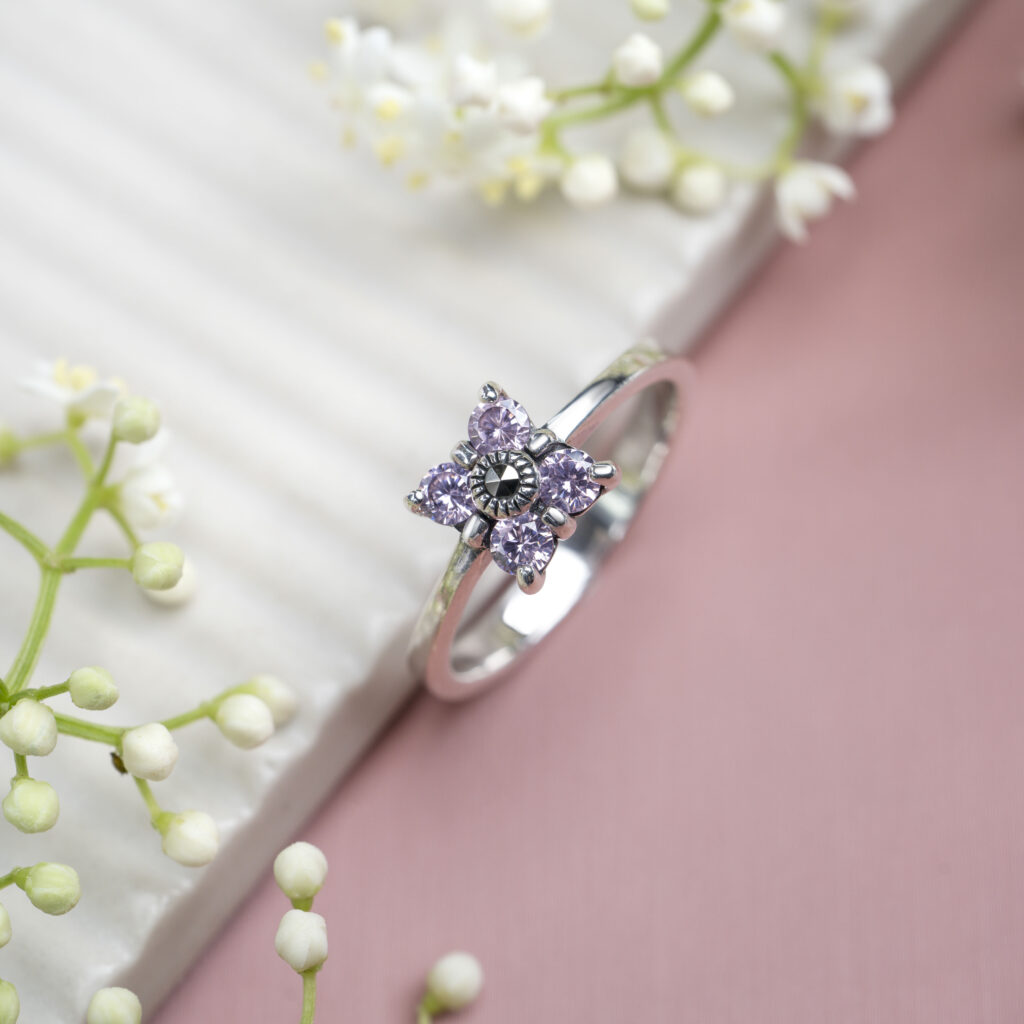
CRM transforms data into relationships.
Key Benefits of CRM for Jewelry Brands
- Centralized customer data and history
- Personalized communication and recommendations
- Improved retention and repeat purchases
- Stronger relationships with retail and wholesale clients
For jewelry brands, CRM is a foundation for trust-driven growth.
Understanding Customer Data in the Jewelry Industry
Data quality determines CRM success.
Core Customer Data Types
- Contact and demographic information
- Purchase and browsing history
- Product preferences and interests
- Communication and engagement records
Accurate data enables meaningful personalization.
Defining CRM Goals for Jewelry Brands
Clear goals guide system design.
Common CRM Objectives
- Increase customer lifetime value
- Improve repeat purchase rates
- Support personalized marketing
- Strengthen wholesale and B2B relationships
CRM goals should align with overall business strategy.
Choosing the Right CRM Platform
Technology must fit the business.
CRM Selection Considerations
- Integration with e-commerce platforms
- Email and marketing automation compatibility
- Scalability for growth
- Ease of use for teams
The right CRM supports both efficiency and insight.
Customer Segmentation Using CRM
Segmentation improves relevance.
Effective Jewelry CRM Segments
- First-time vs repeat customers
- High-value customers
- Product category preferences
- Retail vs wholesale buyers
Segmentation enables targeted communication.
Personalization Through CRM
Personalization builds loyalty.
CRM-Driven Personalization Examples
- Product recommendations based on purchase history
- Personalized emails and offers
- Tailored content for different customer segments
Relevant interactions feel thoughtful, not intrusive.
CRM Integration with Marketing Channels
CRM connects all touchpoints.
Key CRM Integrations
- Email marketing platforms
- Marketing automation systems
- Customer support tools
- Paid advertising audiences
Integration ensures consistent messaging.
CRM for Sales and Customer Support Teams
CRM supports internal alignment.
Sales and Support CRM Use Cases
- Tracking customer inquiries and follow-ups
- Managing wholesale accounts
- Recording service interactions and preferences
Shared data improves service quality.
CRM Strategy for Wholesale and B2B Jewelry
B2B relationships require structure.
B2B CRM Best Practices
- Account-based tracking
- Deal and inquiry management
- Long-term relationship history
CRM strengthens wholesale partnerships.
Data Hygiene and CRM Maintenance
Clean data protects value.
CRM Maintenance Best Practices
- Regular data audits
- Removing duplicates and outdated records
- Standardizing data entry processes
Data hygiene ensures reliability.
Using CRM Insights for Business Decisions
CRM informs strategy.
Insight-Driven Use Cases
- Identifying best-selling products
- Understanding customer retention drivers
- Improving marketing and sales alignment
Insights turn data into action.
Measuring CRM Performance
Measurement validates effectiveness.
Key CRM Metrics
- Customer lifetime value (CLV)
- Repeat purchase rate
- Engagement and response rates
Metrics guide continuous improvement.
Avoiding Common CRM Mistakes
Mistakes reduce adoption.
Mistakes to Avoid
- Overcomplicating the system
- Poor team training
- Ignoring data quality
Simplicity supports adoption.
Aligning CRM Strategy with Brand Identity
CRM reflects brand values.
Brand Alignment Practices
- Maintain respectful, refined communication
- Focus on relationship-building
- Avoid overly aggressive sales tactics
Alignment preserves brand trust.
Scaling CRM as the Jewelry Brand Grows
Growth requires flexibility.
Scaling Strategies
- Add automation gradually
- Expand segmentation over time
- Integrate additional tools as needed
Scalable CRM supports long-term growth.
Long-Term Value of CRM for Jewelry Brands
CRM compounds relationships.
Strategic Benefits
- Stronger customer loyalty
- Improved marketing efficiency
- Better customer experience
CRM becomes a core business asset.
Conclusion
A strategic CRM strategy for jewelry brands enables marcasite jewelry businesses to manage relationships thoughtfully, personalize interactions, and support long-term growth across retail and wholesale channels. By focusing on clean data, meaningful segmentation, seamless integrations, and brand-aligned communication, brands can turn CRM systems into powerful relationship engines. In a trust-based industry, CRM success is not about technology alone—it is about using data to serve customers better.