Why Careful Restoration Matters
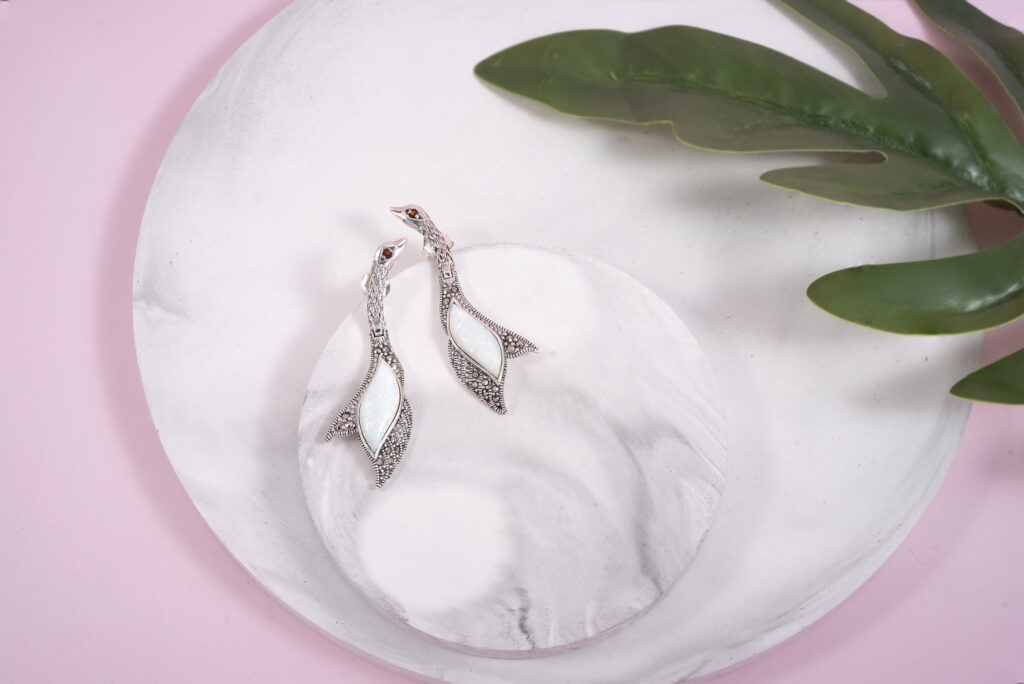
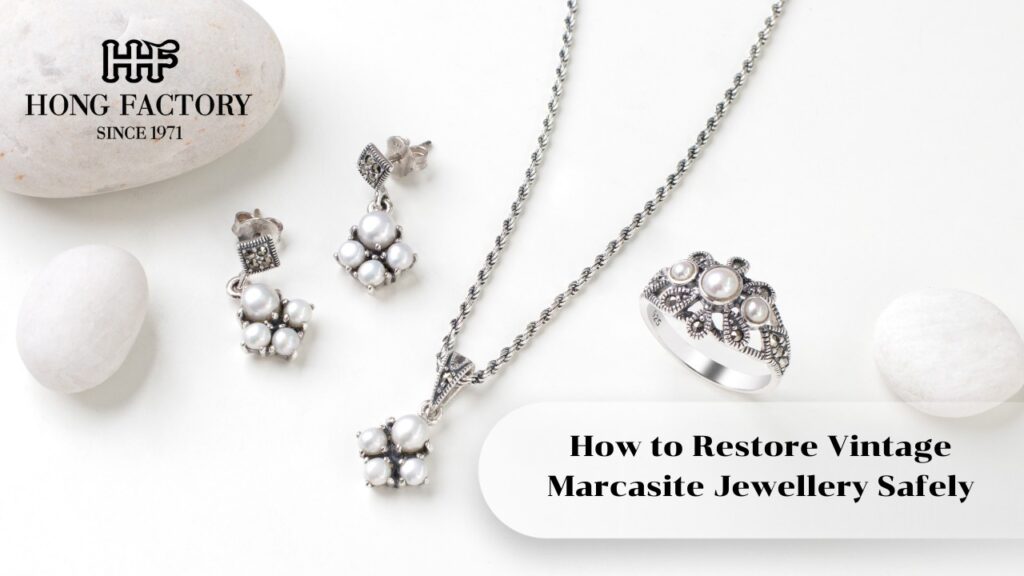
Vintage marcasite jewellery is valued for its age, craftsmanship, and original character. Improper restoration can permanently reduce value by damaging delicate stone settings or removing historical patina. Safe restoration focuses on preservation rather than making jewellery look new. marcasite
Understanding proper methods helps owners protect both beauty and authenticity.
Assessing Whether Restoration Is Necessary
Not all vintage marcasite jewellery needs restoration. Minor tarnish, natural patina, or small signs of age are often desirable.
Restoration is usually necessary only when stones are loose, clasps are failing, or structural integrity is compromised.
Understanding the Delicate Nature of Marcasite
Marcasite stones are small and hand-set into sterling silver. Excess moisture, pressure, or heat can loosen stones.
Because of this, restoration must be gentle and controlled at every step.
Cleaning vs Restoration
Cleaning removes surface dirt and tarnish, while restoration involves repair or replacement. Confusing the two can cause harm.
Vintage pieces should be cleaned minimally and restored only when function or safety is affected.
Safe Initial Cleaning Methods
Begin with the least invasive approach. Use a soft, dry cloth to remove surface residue.
If needed, a slightly damp cloth may be used briefly, followed by immediate drying. Avoid soaking or chemical cleaners.
Avoiding Common Restoration Mistakes
Never use ultrasonic cleaners, steam cleaners, or abrasive tools on vintage marcasite jewellery. These methods can dislodge stones and damage silver.
Avoid aggressive polishing that removes original metal and patina.
When to Seek Professional Restoration
Professional restoration is recommended for loose stones, broken clasps, or structural damage. Choose a jeweler experienced with vintage silver and marcasite.
A qualified professional will prioritize preservation over appearance.
Replacing Missing Marcasite Stones
Replacing missing stones should be done carefully. Matching size, cut, and appearance is essential.
Using inappropriate substitutes can reduce authenticity and value.
Preserving Original Patina and Finish
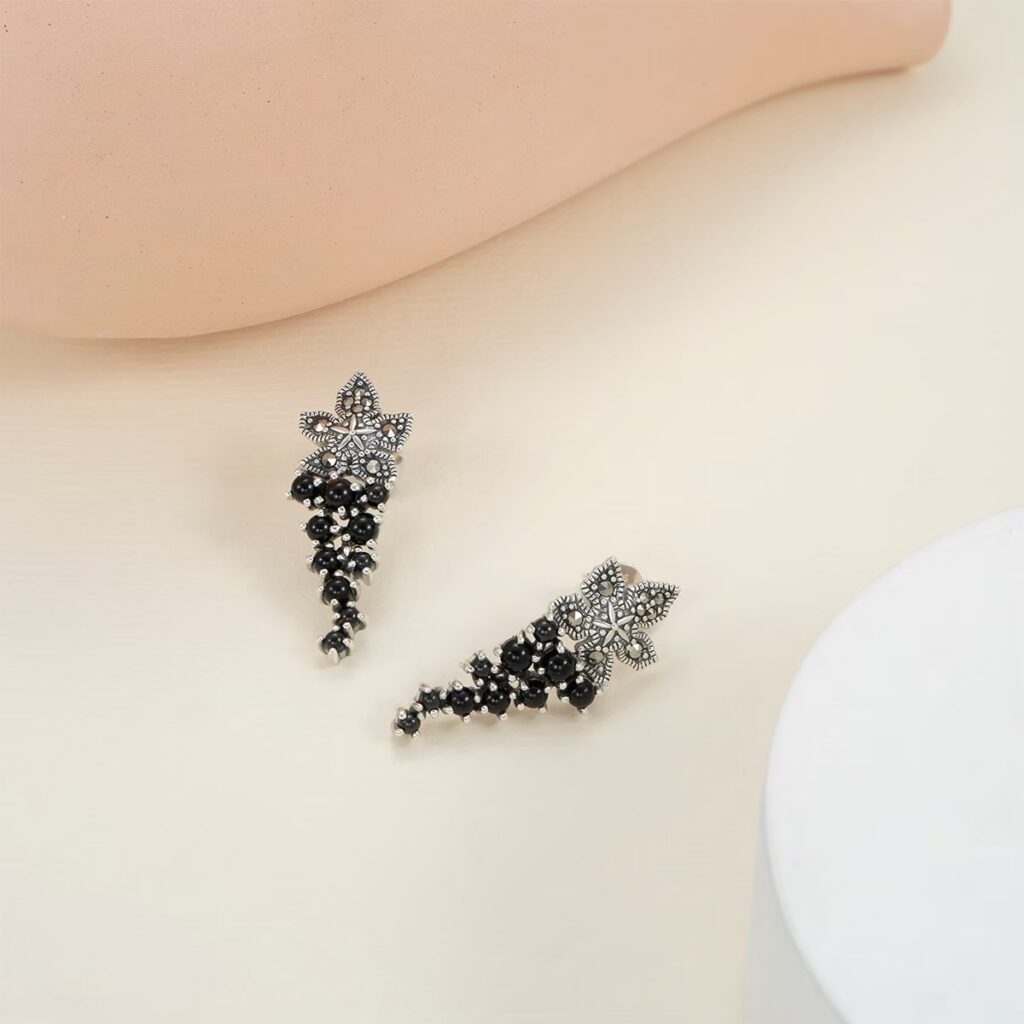
Patina reflects age and history. Removing it may decrease collector appeal.
Restoration should retain as much original finish as possible.
Documentation Before Restoration
Before restoring, document the jewellery with photographs and notes. This record preserves historical reference.
Documentation also supports future appraisal or resale.
Testing Repairs After Restoration
After restoration, test clasps and settings gently. Ensure stones are secure without excessive force.
Gradual testing prevents new damage.
Post-Restoration Care Practices
Proper care after restoration extends results. Store jewellery correctly, avoid moisture, and limit wear to appropriate occasions.
Mindful handling protects restored pieces.
How Restoration Affects Value
Sensitive restoration can maintain or improve value. Over-restoration often reduces collectibility.
Understanding this balance helps owners make informed decisions.
Deciding Whether to Restore or Preserve
In some cases, preservation is preferable to restoration. Accepting age-related wear may better honor history.
The decision should balance safety, wearability, and long-term value.
Restoring Vintage Marcasite Jewellery with Respect
Safe restoration respects craftsmanship, history, and material limitations. The goal is stability and preservation, not perfection.
With thoughtful assessment and professional support, vintage marcasite jewellery can be restored safely and enjoyed for generations.