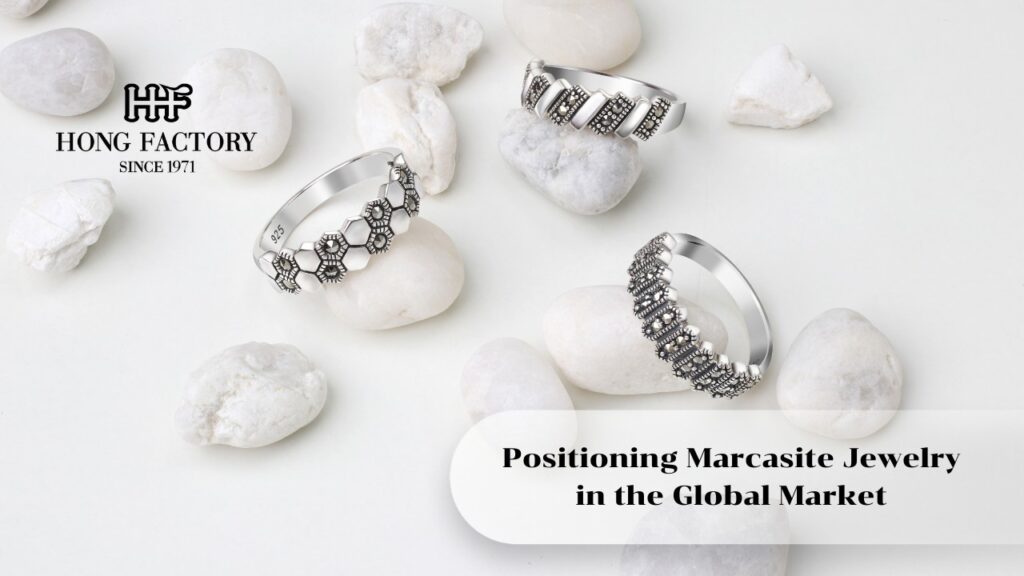
Positioning marcasite jewelry in the global market requires a clear understanding of international consumer behavior, cultural preferences, competitive landscapes, and brand differentiation. As global jewelry markets become more competitive and digitally connected, marcasite jewelry brands must define where they stand, who they serve, and why their products matter beyond price alone. marcasite
This article explores how marcasite jewelry brands can establish strong global positioning that supports export growth, brand recognition, and long-term sustainability.
Understanding the Global Jewelry Market Landscape
Global positioning begins with market awareness.
Key Characteristics of the Global Jewelry Market
- Highly competitive with diverse price segments
- Strong influence of cultural and regional preferences
- Growing demand for vintage and heritage-inspired designs
- Increasing importance of online and cross-border commerce
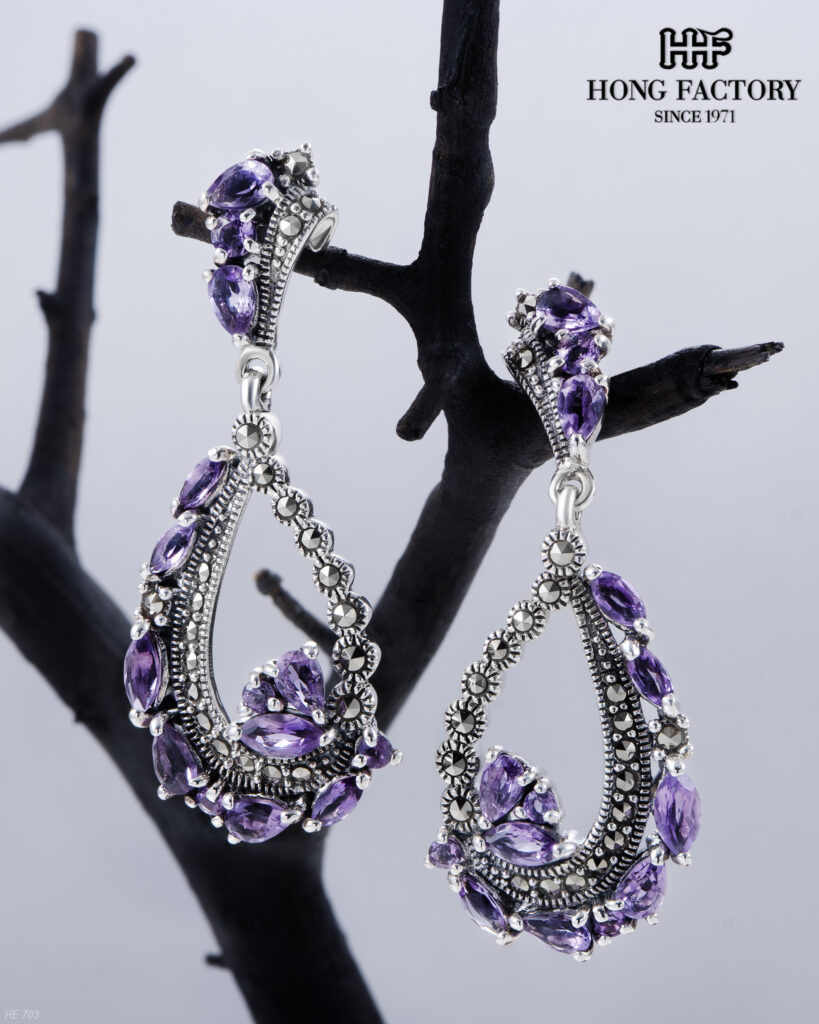
Marcasite jewelry fits naturally within niches that value craftsmanship and timeless design.
Identifying the Unique Value of Marcasite Jewelry
Positioning starts with value definition.
Core Value Propositions of Marcasite Jewelry
- Handcrafted stone-setting techniques
- Vintage and antique-inspired aesthetics
- Affordable elegance compared to fine gemstones
- Strong association with heritage and tradition
These values form the foundation of global differentiation.
Choosing the Right Global Positioning Strategy
Not all markets should be approached the same way.
Common Positioning Approaches
- Heritage craftsmanship positioning
- Affordable luxury positioning
- Vintage fashion positioning
- Ethical and artisanal positioning
Selecting one primary positioning avoids brand confusion.
Market Segmentation by Region
Different regions respond to different messages.
Regional Market Insights
- Europe: Appreciation for heritage and craftsmanship
- North America: Demand for vintage, Art Deco, and storytelling
- Asia: Growing interest in Western-style vintage jewelry
- Middle East: Preference for design detail and perceived value
Localized positioning improves resonance.
Cultural Sensitivity in Global Positioning
Culture shapes perception.
Cultural Positioning Considerations
- Symbolism in jewelry design
- Color and motif preferences
- Marketing tone and imagery
Respecting cultural nuances builds acceptance.
Pricing Positioning Across International Markets
Price communicates brand status.
Global Pricing Strategies
- Maintain consistent brand value across regions
- Adjust pricing for duties, taxes, and logistics
- Avoid extreme price discrepancies between markets
Balanced pricing protects global credibility.
Competitive Positioning Against Other Jewelry Categories
Marcasite jewelry competes beyond its niche.
Competitive Comparisons
- Versus fine gemstone jewelry: accessible luxury
- Versus costume jewelry: superior craftsmanship and durability
- Versus silver-only jewelry: enhanced design complexity
Clear comparisons strengthen positioning.
Brand Storytelling for Global Audiences
Stories transcend borders.
Effective Global Storytelling Themes
- Artisan craftsmanship
- Historical inspiration
- Handmade authenticity
Universal stories create emotional connection.
Visual Consistency in Global Branding
Consistency builds recognition.
Visual Positioning Elements
- Unified logo and brand marks
- Consistent photography style
- Cohesive packaging design
Consistency reinforces global identity.
Digital Presence and Global Visibility
Online channels define global reach.
Digital Positioning Strategies
- International SEO optimization
- Multilingual content where appropriate
- Global social media storytelling
Digital visibility supports cross-border growth.
Wholesale vs Retail Global Positioning
Different audiences require different emphasis.
Wholesale Positioning Focus
- Reliability and consistent quality
- Scalable production capacity
- Professional communication
Retail Positioning Focus
- Emotional storytelling
- Lifestyle imagery
- Brand experience
Clear differentiation improves effectiveness.
Positioning Through Product Collections
Collections communicate strategy.
Collection-Based Positioning
- Core timeless collections for stability
- Limited editions for exclusivity
- Regional-inspired collections for localization
Product strategy supports positioning.
Managing Brand Perception Across Markets
Consistency must be monitored.
Perception Management Practices
- Monitor reviews and feedback globally
- Align distributors with brand guidelines
- Ensure consistent customer experience
Active management protects brand equity.
Legal and Compliance Considerations
Compliance supports credibility.
Global Compliance Factors
- Accurate material descriptions
- Proper country-of-origin labeling
- Consumer protection regulations
Compliance reinforces trust.
Measuring Global Positioning Success
Performance must be evaluated.
Key Positioning Metrics
- Brand recognition by region
- International sales growth
- Market-specific conversion rates
Data informs strategic adjustments.
Common Global Positioning Mistakes to Avoid
Mistakes dilute brand value.
Mistakes to Avoid
- Over-generalized messaging
- Competing solely on price
- Inconsistent distributor branding
Clarity prevents dilution.
Aligning Global Positioning with Long-Term Strategy
Positioning should evolve strategically.
Strategic Alignment
- Supports export expansion
- Enhances brand equity
- Enables premium perception over time
Positioning is a long-term commitment.
Conclusion
Positioning marcasite jewelry in the global market requires a thoughtful balance of heritage, value, and cultural awareness. By clearly defining unique strengths, adapting messaging to regional preferences, maintaining consistent branding, and leveraging digital channels, marcasite jewelry brands can compete effectively on the international stage. In a crowded global market, strong positioning transforms marcasite jewelry from a regional product into a globally recognized symbol of craftsmanship and timeless elegance.