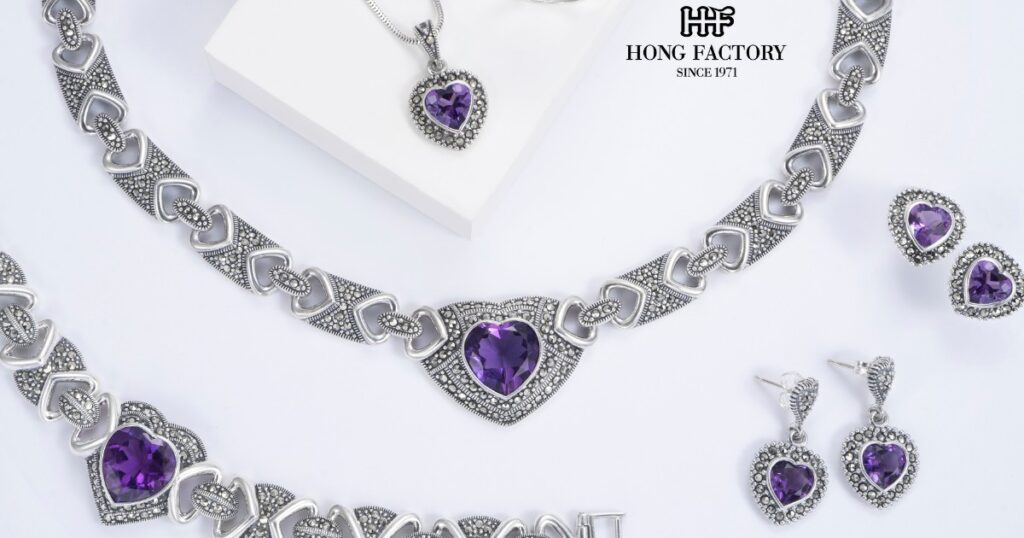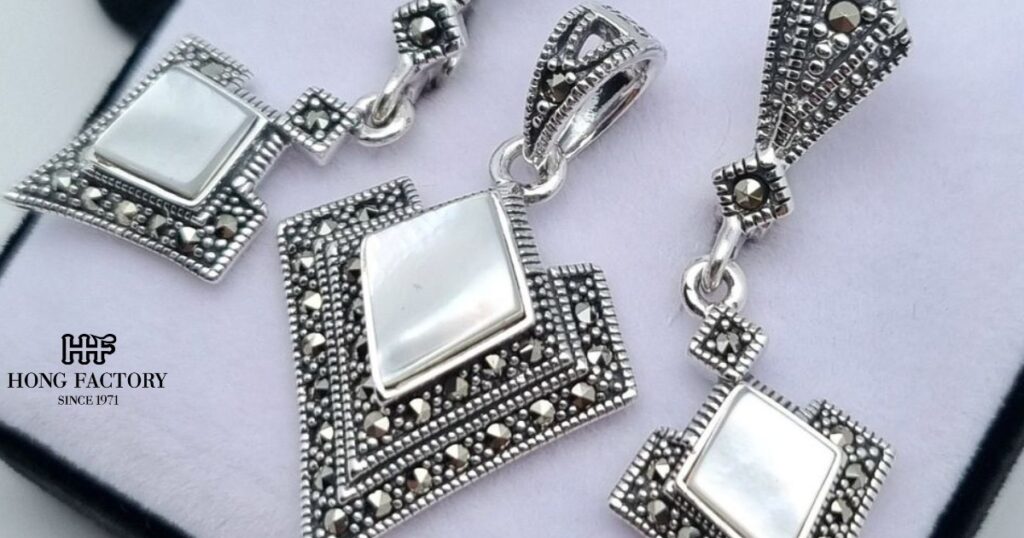
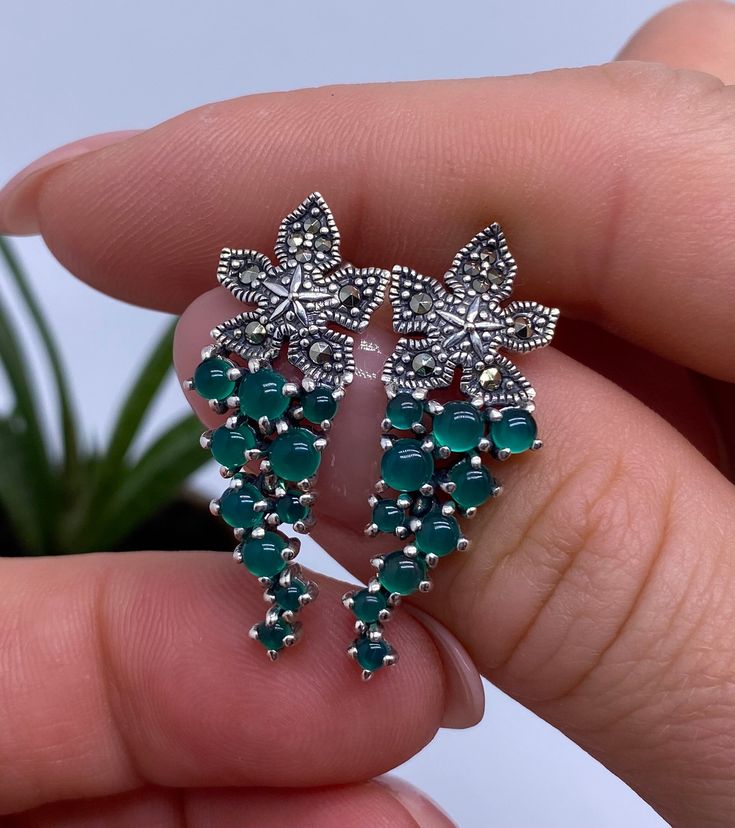
The irresistible charm of marcasite jewelry comes not only from the stones themselves but also from the intricate settings that hold each tiny gem securely in place. Because marcasite stones are incredibly small—often only 0.8 to 2 millimeters—setting them requires extraordinary precision, patience, and skill. The setting method determines not only the durability of the jewelry but also its aesthetic character, texture, and overall brilliance.
In this chapter, we explore the essential setting methods used in marcasite jewelry, the tools involved, the craftsmanship required, and how each technique contributes to the timeless appeal of marcasite’s iconic sparkle. mood ring color meanings
Why Setting Methods Matter in Marcasite Jewelry
Marcasite is unique among gemstones because:
- Stones are tiny and fragile.
- They must be carefully placed to achieve even brilliance.
- The setting is often a major design element.
- Improper setting can cause stones to fall out easily.
Good setting techniques ensure:
- Long-lasting durability
- Enhanced sparkle and symmetry
- Vintage-inspired beauty
- Comfort and wearability
Setting is one of the most defining elements of marcasite jewelry craft.
Tools Used in Marcasite Stone Setting
Artisans use specialized micro-tools to secure each stone.
Essential tools include:
- Beading tools – used to create tiny metal beads to hold the stone.
- Prong pushers – used to press metal over the stone edge.
- Gravers – for carving small seats for the stones.
- Tweezers – to pick and position the small marcasite pieces.
- Magnifying lenses or microscopes – for precision work.
These tools enable skilled artisans to perform delicate, detailed work on a microscopic scale.
Common Setting Methods Used in Marcasite Jewelry
Different designs call for different setting techniques. Here are the primary methods used by master craftsmen.
1. Bead Setting (The Most Traditional Method)
Bead setting is the hallmark of marcasite jewelry.
How it works:
- Tiny seats are carved for each stone.
- The stone is placed into the seat.
- Small beads of silver are raised around the stone.
- The beads are pushed over the edges to secure it.
Benefits:
- Very secure setting
- Enhances vintage appearance
- Allows placement of many stones close together
Bead setting is labor-intensive but creates the signature marcasite look.
2. Pavé Setting (Continuous Sparkle Effect)
“Pavé” means “paved,” like cobblestones.
Features:
- Multiple stones set closely together
- Minimal metal visible between stones
- Creates a flowing sparkle across the surface
Best used for:
- Earrings
- Bracelets
- Large statement pieces
Pavé setting makes the piece look more luxurious and highly textured.
3. Channel Setting (Clean, Geometric Lines)
Channel setting is often seen in Art Deco-inspired designs.
How it works:
- Two parallel metal walls form a channel.
- Stones are placed side-by-side.
- No prongs or beads are used.
Advantages:
- Very secure
- Clean, modern appearance
- Perfect for linear or geometric designs
This setting method adds structure and contemporary elegance.
4. Prong Setting (Ideal for Larger Marcasite Stones)
Used less frequently due to the small size of most marcasite stones, but essential for bigger pieces.
How it works:
- Small metal prongs grip the stone from multiple sides.
- The stone is elevated for maximum sparkle.
Benefits:
- Shows more of the stone surface
- Provides strong hold for larger cuts
Prong settings are often used in rings and pendants featuring focal marcasite stones.
5. Flush Setting (Smooth, Modern Style)
Flush setting offers a sleek and minimal appearance.
Technique:
- A hole is drilled into the metal.
- The stone sits inside the hole.
- Metal is gently pushed over the stone edges.
Advantages:
- Smooth surface—won’t snag on clothing
- Great for modern or masculine jewelry designs
Although more common in contemporary pieces, flush settings can also appear in vintage-inspired work.
6. Cluster Setting (Decorative and Dimensional)
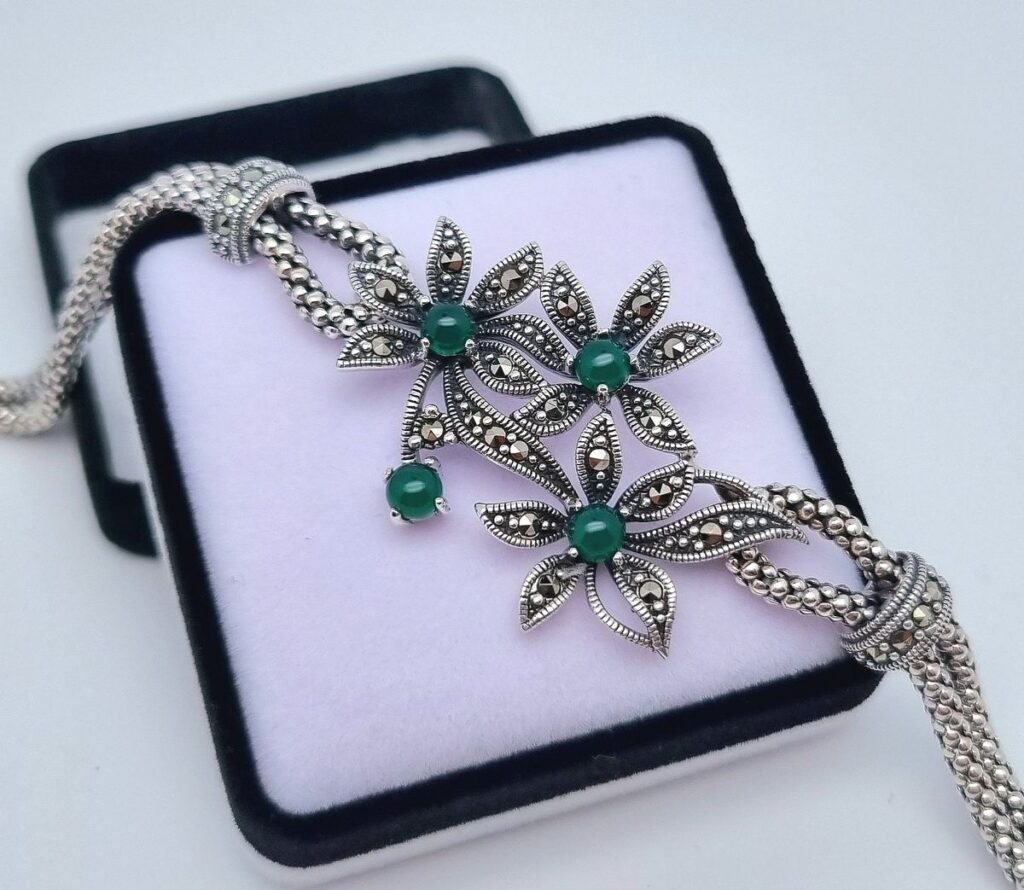
This technique uses groups of marcasite stones arranged to form shapes or motifs.
Features:
- Stones placed closely in a defined pattern
- Often used for floral or ornate designs
- Creates depth and three-dimensional texture
Cluster settings are staples in Victorian and Edwardian-inspired marcasite jewelry.
7. Star Setting (Decorative Engraving + Stone Setting)
A star-shaped engraving is carved before setting the stone.
Benefits:
- Adds artistic flair
- Enhances light reflection
- Emphasizes central stones
Star setting is a traditional technique rarely used today, making vintage pieces more collectible.
Setting Patterns Seen in Marcasite Jewelry
The arrangement of stones defines a piece’s personality.
Popular patterns:
1. Linear rows
Perfect for geometric and Art Deco styles.
2. Floral clusters
Ideal for romantic Victorian themes.
3. Frames and borders
Used to outline cameos, gemstones, or enamel.
4. Full-surface pavé
Creates glamorous, high-sparkle designs.
These patterns highlight marcasite’s ability to elevate intricate designs.
Challenges in Setting Marcasite Stones
Working with marcasite is not easy.
Common challenges include:
- Stones are extremely tiny and delicate.
- Pyrite (used as marcasite) can fracture under pressure.
- Misaligned stones ruin symmetry.
- Over-polishing can loosen settings.
- Precision must be consistent across dozens or hundreds of stones.
These difficulties make skilled setters highly valued in the jewelry industry.
The Role of Oxidation in Enhancing Settings
Oxidation—or intentional darkening of silver—plays a major role in marcasite jewelry.
Benefits:
- Adds depth and dimension
- Creates antique contrast
- Highlights bead and pavé settings
- Enhances marcasite sparkle by increasing shadow around stones
Settings become more visually dramatic when oxidation is used strategically.
Handmade vs Machine Settings
Modern production sometimes uses machines for efficiency, but handmade settings remain superior.
Handmade settings:
- More secure
- More visually detailed
- Showcase true craftsmanship
- Preferred by collectors
Machine settings:
- Faster and cheaper
- Less artistic detail
- May loosen over time
Hand-setting is especially important for intricate vintage-inspired jewelry.
How Setting Methods Affect Jewelry Value
High-quality settings greatly increase a piece’s value.
Indicators of superior craftsmanship:
- Even alignment
- Consistent bead size
- Tight stone security
- Symmetrical patterns
- Clean finishing work
Poor settings, on the other hand, result in loose stones, uneven shine, and lower durability.
Conclusion
Marcasite jewelry settings are a blend of precision, artistry, and technical skill. From bead setting and pavé to cluster and flush techniques, each method plays a vital role in shaping the jewelry’s beauty, structure, and lasting allure. Master setters transform tiny marcasite stones into patterns of shimmering elegance, creating pieces that stand the test of time.
In the next chapter, we will explore quality grades in marcasite jewelry, helping you understand what separates high-end marcasite pieces from mass-produced versions.